
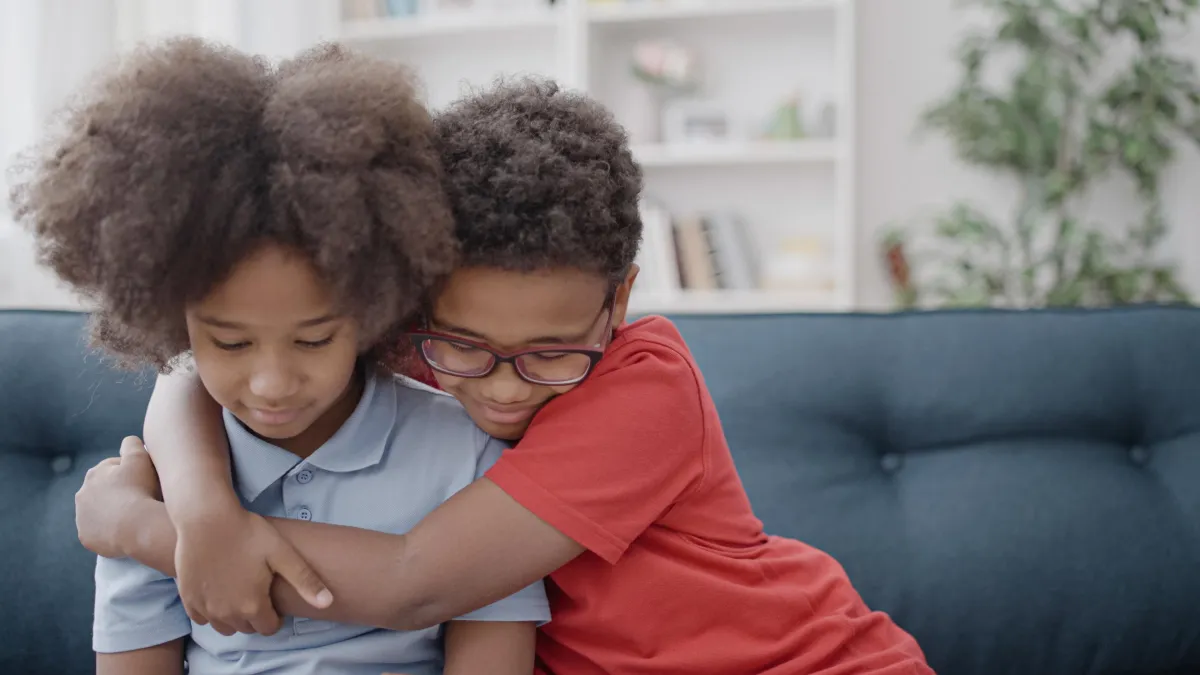
The Effect of Comparing Siblings: Why It’s Harmful and How to Stop
We’ve all been there. Maybe you’re at the park, watching the kids play. Or maybe you’re at a school event. You’re listening to other parents talk about their child’s accomplishments. Suddenly, you start thinking: “Why isn’t my child doing that yet?” Or, “Their child seems so much more advanced.” It’s the comparison trap. And it’s a sneaky one. But the effect of comparing siblings can be even more damaging, creating tension, resentment, and long-lasting emotional impacts.
The Dangers of Comparison
When we compare our children to others, we send a subtle message. The message is that they're not good enough as they are. This can lead to feelings of inadequacy, anxiety, and even resentment. Children may start to doubt their abilities. They may avoid challenges. They may become overly focused on external validation.
Comparison can also create a fixed mindset. This is where children believe their abilities are static and limited. Teaching a learner to gauge their success by the success of others sets them up to only be as good as those they are comparing themselves to. This can stifle their motivation to grow. Instead of focusing on their own unique journey, they become trapped in a cycle of measuring themselves against others.
Comparison can fuel unhealthy competition. It can create tension between siblings or peers. Instead of celebrating each other's successes, children may start to view one another as rivals. This can lead to jealousy and conflict.
Embracing Individuality
It's time to ditch the comparison game. Embrace individuality. Recognize that your child is on their own unique path. Their journey is just as valid and valuable as anyone else's.
The concept of neurodiversity reminds us of something. There's a wide range of ways our brains can work. Some children may excel in academics. Others shine in sports or the arts. Some may be naturally outgoing. Others are more introspective. These differences are not deficits. They are simply variations.
Instead of comparing your child to others, focus on their individual progress. Celebrate their achievements. Acknowledge their efforts. Encourage their passions. Support their growth.
Shifting the Focus
Breaking free from the comparison trap requires a conscious shift in perspective. Here are a few strategies to help you:
Focus on effort and progress, not just outcomes: Instead of solely focusing on grades or test scores, acknowledge your child's hard work, persistence, and improvement over time.
Help your child set SMART goals: Work with your child to set SMART goals. Celebrate their successes along the way.
Encourage a growth mindset: Emphasize that abilities can be developed through dedication and hard work. Help your child see challenges as opportunities for growth, rather than setbacks.
Avoid social media comparisons: Social media can be a breeding ground for comparison and unrealistic expectations. Limit your exposure to these platforms. Focus on creating a positive and supportive environment at home.
It's important to remember that comparing our children to others is sometimes a regrettable learned behavior that we may continue out of frustration. In order to avoid the behavior, practice taking space before speaking out of frustration. This pause allows us to reflect on our words and choose a more constructive approach. Instead of blurting out a comparison that could damage our child's self-esteem, we can take a deep breath and reframe our thoughts.
The Role of Tutoring
Tutoring can play a crucial role in helping students develop self-awareness. It can help them develop a positive self-image. By providing individualized instruction and support, tutors can help students identify their strengths. They can work through challenges. They can build confidence in their abilities.
In a tutoring setting, students can learn at their own pace. They can receive tailored guidance that addresses their specific needs. This personalized approach can be particularly beneficial for neurodivergent learners.
Tutoring can create a safe and supportive learning environment. This fosters a growth mindset. It helps students develop a more positive relationship with learning.
Every child is unique. They deserve to be celebrated for who they are. Let’s break free from the comparison trap. Let’s embrace individuality. By shifting our focus from comparison to appreciation, we can empower our children to thrive. Understanding the effect of comparing siblings is a crucial step in creating a positive and supportive environment where each child feels valued and encouraged to grow.
Ready to support your child’s unique journey? Schedule a free consultation today.
See you on the next blog,
Shay