
Helping Neurodivergent Learners Regulate Their Bodies to Improve Learning: What Science Says About Attention, Stress, and “Body Awareness”
“My Child Gets It — Until They Don’t”
Many parents say things like:
“He said he got the test, but then he blanked out.”
“My child can understand the math — but when they’re overwhelmed or just tired, it's like their brain shuts off.”
“She said she started working, thought she knew everything — then she didn’t.”

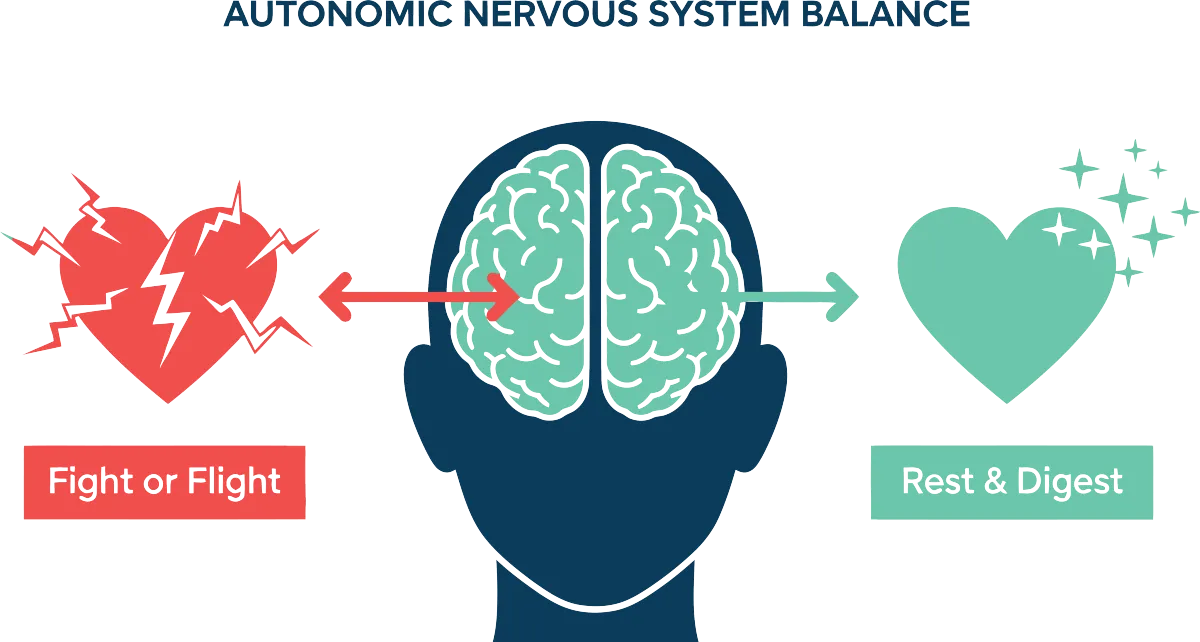
These are all just variations of the same phenomenon: when the body is stressed, overloaded, or out of sync, the brain cannot reliably access the executive functioning skills needed for problem‑solving, working memory, or multi‑step math. Research consistently shows that learning and nervous‑system regulation are deeply connected.
For both parents and learners, the good news is: there are simple, science‑backed body‑awareness strategies that help. These are grounded in neurophysiology — not mysticism — and they’re especially helpful for neurodivergent learners who struggle with emotional regulation, frustration, or “shutting down” during homework or assessments.
Why Body Awareness Matters: The Science of Interoception
Researchers use the term interoception to describe how well someone notices and understands signals inside their body — such as heartbeat, breathing, hunger, tension, stress, “butterflies,” and more. This internal awareness profoundly affects emotional regulation, attention, and higher‑order thinking (Khalsa et al., 2018).
Interoceptive awareness supports emotional regulation, working memory, and task persistence (that “stick‑to‑it‑ness,” the ability to focus) (Murphy et al., 2017).
When interoception is weak or under‑developed — which research finds is common among many neurodivergent individuals — internal signals may not register clearly until stress or overwhelm becomes intense (Schauder et al., 2015).
The result can be emotional flooding, shutdowns, or fight‑or‑flight reactions — precisely at times when the brain is being asked to do complex work like math or reading (Schauder et al., 2015).
When parents help kids tune into their bodies — to feel their breath, notice tension, sense their heart or belly — they’re helping the brain return to a regulated state. Once regulation returns, cognitive skills often come back online.

Adding Stimming to the Picture — Not as a “Bad Behavior,” but a Regulation Tool
Many neurodivergent learners naturally engage in stimming (self‑stimulating or repetitive behaviors) — things like rocking, hand‑flapping, fidgeting, bouncing a leg, finger tapping, or pacing. But stimming is not exclusive to neurodivergent individuals. As described by Prizant and Fields in Uniquely Human, stimming is a human behavior — something everyone does to some degree.
Think about tapping a pen, bouncing a knee, twirling hair, or pacing while on the phone. These are all forms of stimming. They serve the same biological purpose for everyone: nervous system regulation. The difference is often one of context and frequency. Neurodivergent individuals may stim more frequently or in moments that are not considered “socially appropriate” — not because they’re trying to misbehave, but because they’re more likely to experience sensory overload or emotional stress from their environment.
What research and lived experience say about stimming:
For many autistic or neurodivergent individuals, stimming acts as a self‑regulatory mechanism — a way to manage emotions, soothe sensory overwhelm, or communicate internal states (Kapp et al., 2019).

Rather than trying to suppress all stimming, many advocates and researchers argue that affirming stimming — when it isn’t harmful — supports regulation, emotional balance, and cognitive readiness (Sherman et al., 2024).
In other words: stimming isn’t just a “quirk.” It’s a normal human regulation strategy. For neurodivergent individuals, it's often a necessary one. By recognizing and accepting this behavior, especially in learning environments, we support students’ autonomy and nervous system health — which makes room for learning to happen.
I stim too — my behavior is hair twirling. Under moments of stress (it doesn't have to be extreme), I find myself twirling and pulling because the texture of my hair feels calming. It gives my brain something familiar to focus on. If I’m not allowed to do that — especially in moments of high stress — it feels like I can’t handle the moment. My mom tried to get me to stop for years. But it hasn’t worked. In fact, now I do it defiantly! lol...I'm stubborn. Because I know what my body needs, and stimming helps me regulate. For me, and for so many neurodivergent learners, stimming is not the problem. It’s part of the solution.
When it comes to math homework or focusing on math, one of the things I’ll often do is pace or move my hands. I’ll rub my fingers or gesture, and these movements help me concentrate on the content. My eyes may shift off to the side, and I may not make eye contact when I talk — not because I’m being rude, but because if I focus too much on looking at someone, my brain has to work so hard to maintain eye contact that I can’t fully engage with what they’re saying. These are my ways of focusing — and for many neurodivergent students, similar behaviors are how they show that they’re trying, not that they’re distracted.

Practical Tools Parents Can Use at Home (Simple, Fast, & Evidence-Based)
Here are some strategies — taking only 30–90 seconds — many neurodivergent learners respond well to:

1. The “Name the Organ” Breath (Grounding)
One hand on chest, one on belly.
Slow inhale for 3, slow exhale for 4.
Say: “Let’s breathe into your belly hand.”
Why this works: Focused breathing activates the calming part of the nervous system. Even short sessions help shift the body out of fight‑or‑flight into a regulated state (Zaccaro et al., 2018).
2. The 10‑Second Reset (BEFORE Overwhelm or Shutdowns occur)
Teach them to stop and gently do:
5 seconds: feel their feet on the ground
3 seconds: relax shoulders
2 seconds: a long exhale
This interrupts fight‑or‑flight activation and helps reset the nervous system. I cannot reiterate enough, do this before overwhelm or shutdowns occur. When I am emotionally overwhelmed, the last thing I'm going to do is remember these steps.
3. Use “Stimming as Regulation” (When It Helps)
Allow harmless stimming — not as a “bad behavior,” but as a sign your child’s nervous system is working. Give space for rocking, bouncing, tapping, or other self‑soothing movements when they show signs of overwhelm. This can help them self‑regulate and return to focus.
4. Short Body Scan Before Homework or Work Sessions
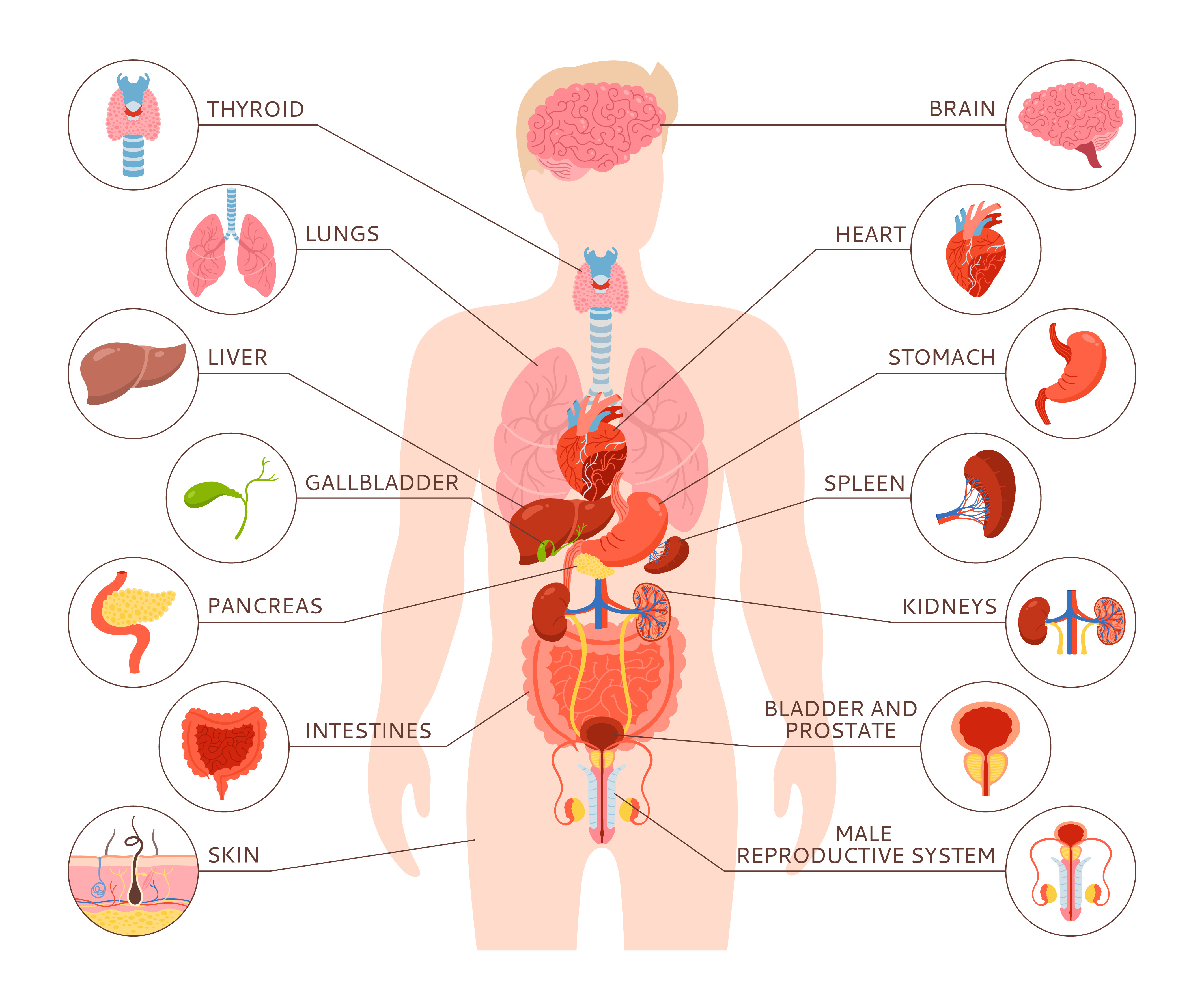
Guide them to briefly notice different parts of their body — legs, stomach, chest, shoulders, jaw, and hands. Then ask: “What feels calm? What feels tight?” This simple awareness can reduce tension and help prepare the brain for learning. Also, learning a little bit of basic anatomy can make this technique even more effective. The brain is an amazing organ, and when it has a clearer “map” of where things are — like the lungs, heart, or stomach — it can track and regulate those sensations more precisely. Research on interoception training shows that when people practice paying attention to specific internal signals (such as their heartbeat), their awareness improves and anxiety or distress can decrease, along with measurable changes in brain and autonomic-nervous-system activity (Khalsa et al., 2018; Lazzaretti et al., 2024). I have a blog post about this coming out soon — I’ll link it here once it’s ready.
Why Recognizing Internal Anatomy (Body Maps) Can Help Regulation
It turns out that being able to “place” internal body parts — to know roughly where your lungs are, where your heart beats, where your stomach sits — can make a big difference for body awareness and regulation. Neuroscience research shows that our sense of bodily state — called interoception — is supported by internal “maps” in the brain that link physiological signals (from organs, from breathing, from the gut, from skin) to what we consciously experience as sensations (Critchley & Garfinkel, 2017).
When those maps are more defined — when someone has a clearer sense of what’s going on inside their body — they tend to have better body awareness and self-regulation (Park & Blanke, 2019).
That means teaching kids (especially neurodivergent ones) a bit of basic anatomy — even simple, child-friendly diagrams that show lungs, heart, belly, diaphragm — can make body-scan, breath-awareness, and grounding exercises more effective.
For example:
When a child places their hand on their belly and chest and imagines where their lungs are, they’re engaging those internal body maps. This helps the brain connect breathing sensations with internal regulation.
If they’ve seen a simple diagram of where the heart “lives,” then paying attention to heartbeat or chest tightness can help them notice stress or overwhelm earlier.
For older kids or teens, a slightly more detailed body map — showing lungs, stomach, perhaps gut or digestive tract — can help them learn to notice where tension builds (tight stomach, shallow lungs, heavy chest), which improves their chance to self-regulate.
Because body awareness combines signals from interoception (internal organs) and proprioception (awareness of body in space), having a clearer internal map helps integrate both — making body scans, breath-based resets, and regulation tools more accurate and accessible (Scalabrini et al., 2023).
💡 How to Include Anatomy Awareness in Practice
Use a simple child-friendly diagram of the torso (lungs, heart, belly/stomach). You can find many free printable ones — or draw a basic outline and label the organs.
During body-scan, breath awareness, or “Where is the feeling?” check-ins, remind the child of organ locations: e.g. “Your lungs are behind your ribs — try to feel the air move there.”
Encourage naming the organ or location (“I feel it in my belly,” “It’s warm in my chest”). This reinforces their internal body map.
If possible, pair simple diagrams with gentle stretches so the child can feel how internal organs shift slightly — reinforcing body-mind connection.
You don’t need to be a meditation teacher or therapist to help your child regulate. Simple, body‑focused practices — plus acceptance of stimming when it helps — can:
Calm the nervous system
Build emotional awareness
Improve frustration tolerance
Open the brain to learning
Support math, reading, or other academic success
Help neurodivergent kids feel safe, accepted, and in control
When a child feels regulated and supported — not just academically, but physiologically and emotionally — learning becomes far less intimidating and far more within reach.
About the Author

Sharronda Smith of Enrichology Tutoring is a neurodivergent educator who helps students understand how their brains and bodies work together so they can learn with less stress and more confidence. Growing up as the sibling of a brother on the autism spectrum, she learned early how sensory needs, communication differences, and nervous system regulation shape everyday life.
Sharronda is certified by the state of Texas in 8–12 Composite Science, 7–12 Mathematics, and EC–12 Special Education, and has taught high school science to grades 9–12. She now specializes in supporting neurodivergent learners—especially students with ADHD, autism, dyscalculia, and math anxiety—using body-aware, regulation-first strategies rooted in neuroscience and real-world teaching experience.
Through Enrichology Tutoring, she shows families how tools like interoception, body mapping, and gentle regulation practices can make math and learning not just possible, but genuinely more humane and sustainable for kids who think differently.
if you'd like to know more about how Enrichology tutoring can help you and your family, go ahead and schedule a free consultation by clicking the link below.
References
Critchley, H. D., & Garfinkel, S. N. (2017). Interoception and emotion. Current Opinion in Psychology, 17, 7–14. https://doi.org/10.1016/j.copsyc.2017.04.020
Park, H. D., & Blanke, O. (2019). Coupling inner and outer body for self-consciousness. Trends in Cognitive Sciences, 23(5), 377–388. https://doi.org/10.1016/j.tics.2019.02.002
Scalabrini, A., Wiebking, C., & Northoff, G. (2023). The embodied mind: Interoception, proprioception, and the coordination of self-awareness. Neuroscience & Biobehavioral Reviews, 149, 105230. https://doi.org/10.1016/j.neubiorev.2023.105230
Kapp, S. K., Steward, R., Crane, L., Elliott, D., Elphick, C., Pellicano, E., & Milton, D. (2019). ‘People should be allowed to do what they like’: Autistic adults’ views and experiences of stimming. Autism, 23(7), 1782–1792. https://doi.org/10.1177/1362361319829628
Khalsa, S. S., Adolphs, R., Cameron, O. G., Critchley, H. D., Davenport, P. W., Feinstein, J. S., ... & Paulus, M. P. (2018). Interoception and mental health: A roadmap. Biological Psychiatry: Cognitive Neuroscience and Neuroimaging, 3(6), 501-513. https://doi.org/10.1016/j.bpsc.2017.12.004
Murphy, J., Brewer, R., Catmur, C., & Bird, G. (2017). Interoception and psychopathology: A developmental neuroscience perspective. Developmental Cognitive Neuroscience, 23, 45-56. https://doi.org/10.1016/j.dcn.2016.12.006
Schauder, K. B., Mash, L. E., Bryant, L. K., & Cascio, C. J. (2015). Interoceptive ability and body awareness in autism spectrum disorder. Journal of Experimental Child Psychology, 131, 193-200. https://doi.org/10.1016/j.jecp.2014.11.002
Sherman, L. E., Kalb, L. G., & Ne’eman, A. (2024). Neurodiversity-affirming education: What evidence-based support means for autistic students. Educational Psychology Review. https://doi.org/10.1007/s10648-024-09904-y
Zaccaro, A., Piarulli, A., Laurino, M., Garbella, E., Menicucci, D., Neri, B., & Gemignani, A. (2018). How breath-control can change your life: A systematic review on the effects of slow breathing in the healthy population. Frontiers in Human Neuroscience, 12, 353. https://doi.org/10.3389/fnhum.2018.00353
Lazzaretti, L., De Toma, M., Demartini, B., & Gambini, O. (2024). Interoception-based interventions and emotion regulation: An integrative review. Behavioral Sciences, 14(11), 1107. https://doi.org/10.3390/bs14111107