What It’s Like to Grow Up with an Autistic Sibling: What Parents Need to Know About “The Other Child”
A Childhood of Unspoken Connection
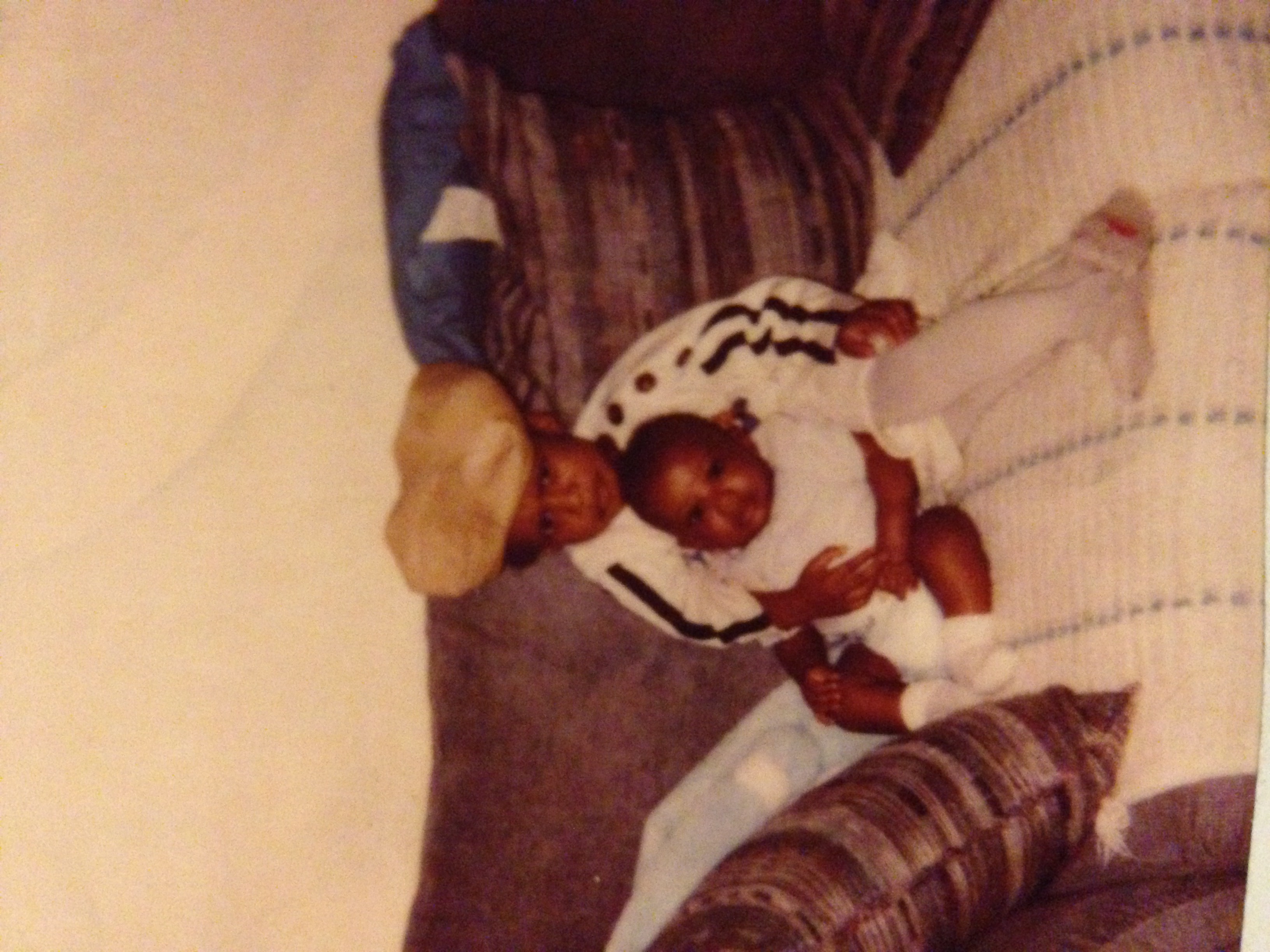
When I was little, my brother didn’t talk much, but we still communicated. We found ways to exchange information through non-verbal behavior because we wanted to play. We had a simple impetus that any human can understand. From an adult's perspective, a child who can't talk may seem limited, but many children simply want to connect and play because they want to belong.
Because of my brother's way of processing sensory input, I learned early to get to the point. Too much non-verbal or verbal information could obscure the meaning, being direct was the best option.
But that directness didn’t fit easily into the social norms I encountered at school. Being short and to the point, logical, and clear was not traditionally valued among girls. I had trouble getting along with other girls early on — and sometimes with other kids in general. Over time, I found my tribe of friends who accepted me as I was, providing a stabilizing force as I developed into adolescence and early adulthood.
It wasn’t until much later that I recognized some of my behaviors and sensitivities weren’t just quirks; they seemed to align more with neurodivergent patterns than with neurotypical expectations.

Now, as an adult living with ADHD I see how these childhood adaptations (direct communication, sensory awareness, empathetic patience) became strengths in my work with neurodivergent learners. I often understand neurodivergent learners more naturally than I do neurotypical learners.
However, best teaching practices are just that — best teaching practices. What works for neurodivergent learners often ends up being beneficial for neurotypical ones, too.
Seeing What They CAN Do
I now understand that siblings of neurodivergent youth are often more inclined to see their siblings for what they can do rather than what they can’t. We learn not to nitpick on how things are done, but just care that it is done. My brother could cook dinner and wash dishes just as well as I could. It just had to be done in a different way. We grow up seeing their abilities and developing adaptations around their needs, often unconsciously — because to us, those needs are normal. This is especially true if siblings are close in age. My brother and I were three years apart.

While the world may view the behaviors as abnormal, to siblings, they were just part of daily life. We often learn which social situations or environmental stimulation can be overwhelming for our siblings — and we may even have similar preferences. Sometimes, we act as go-betweens — unconsciously — between our sibling and our parents, or between our sibling and the rest of the world.
Research supports this pattern: some neurotypical siblings develop greater empathy, resilience, and adaptability, reflecting positive adaptations in some families (Cervellione et al., 2025).

But this isn’t to paint a picture of rainbows and butterflies — it isn’t always easy. Many siblings report lower psychological well-being, less perceived social support, higher stress or conflict, and reduced quality of life — especially when social support is weak or family stress is high (Quatrosi et al., 2023).
It can be taxing on all members of a household when finances are tight and time is limited. Parents need support. The kids need support. And sometimes, the family may not have access to the support networks that could benefit them.

What Parents and Caregivers Should Know
I want caregivers to understand the importance of the relationship between neurodivergent children and their siblings. Our concept of normal behavior is shaped by our sibling's behavior and our interaction with them. That means our needs, expectations, and experiences might be very different from what our parents expect, experienced, or understand.
A few things that can help support you and your family:
We adapt early and often. We develop ways to communicate, play, and coexist with our siblings that make sense to us — even if they look unusual from the outside.
We may exhibit similar sensitivities. Especially if our differences are more subtle or socially masked.
We carry both pride and pressure. We might feel fiercely loyal to our sibling, but we also may feel pressured to be the one who “has it together” or the one who is “normal.”
We need validation too. Just because we’re doing fine doesn’t mean we’re untouched by stress, confusion, or loneliness. Sometimes the very emotions that the parents are going through and thinking they're shielding their kids from, the kids have been experiencing too.
When you recognize and support the importance of the sibling relationship you build a more compassionate and balanced home. You also help your neurodivergent child by strengthening the family unit as a whole.
Final Reflections
Growing up with a neurodivergent sibling shaped my entire worldview. It taught me patience, empathy, direct communication, and the importance of meeting people where they are. It also taught me how society defines and rewards certain behaviors — behaviors they deem “normal” — often unfairly.
Without reflection, those lessons may go unexamined. One book I suggest on the subject is Uniquely Human: A Different Way of Seeing the World by Barry M. Prizant with Tim Fields-Meyer. The first few chapters are already paradigm-shifting — and the rest continues to deliver. Shout out to Rebecca Engle! She suggested the book on a Facebook post and I took the suggestion. 🙂 Check out a recent Youtube discussion with Dr. Prizant below.
I share this story because I want parents to understand what it can feel like to be a sibling of an autistic individual. I want us to be seen not just as support figures but as individuals with our own experiences, perspectives, and insights into the situation. Sometimes, even neurodivergence.
When caregivers make space for all their children to be known, understood, heard, and supported, they raise not only resilient neurodivergent children — but emotionally intelligent, self-aware siblings as well.
Also, with love always baby bro...
Jerome Maurice Smith 1989-2014

About the Author
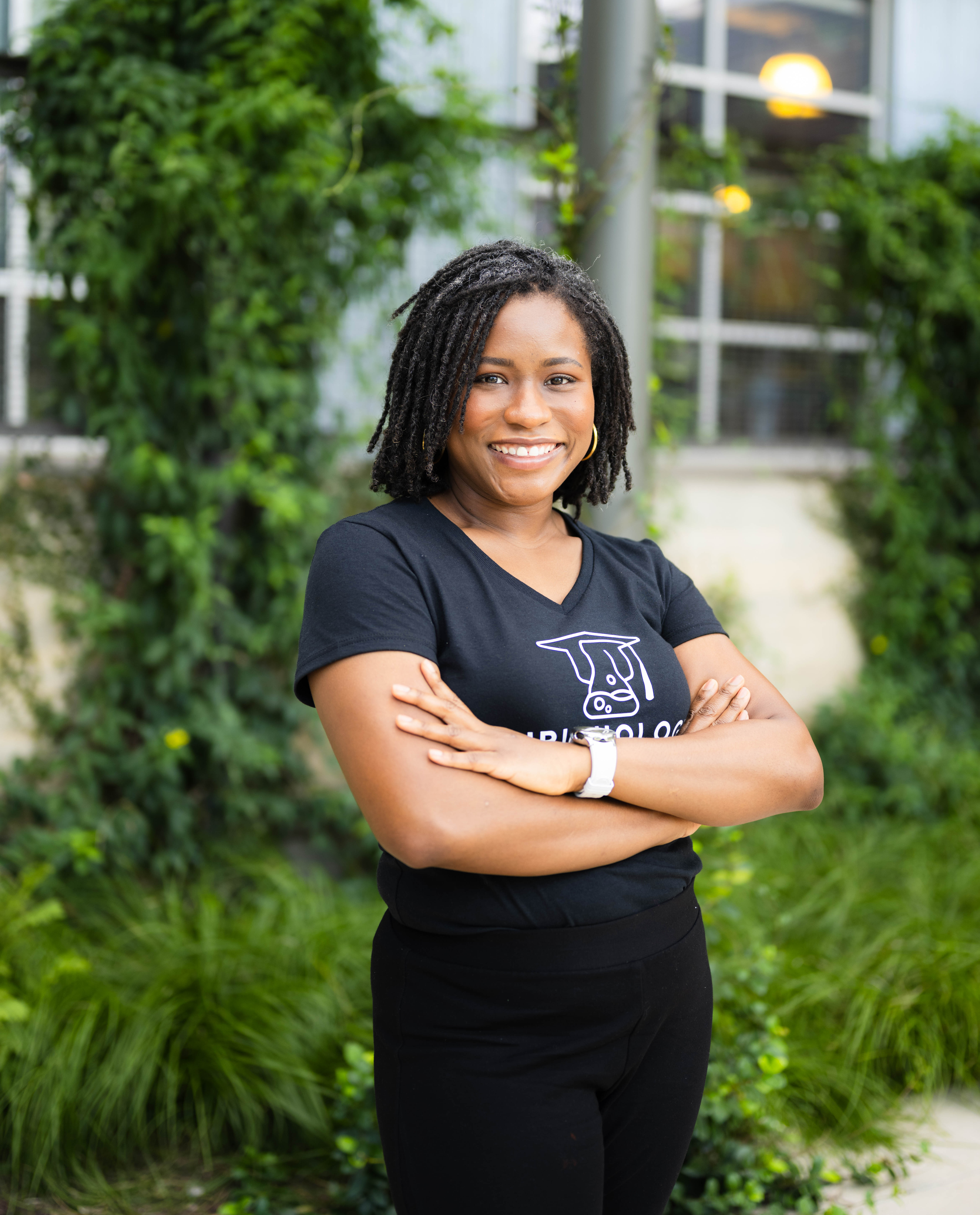
Sharronda Smith of Enrichology Tutoring grew up as the older sister of a younger brother on the autism spectrum, Jerome Maurice Smith (1989–2014). Long before she had the language of “neurodivergence,” she was already learning how to communicate beyond words, adapt to sensory needs, and see her brother for what he could do—not just what others thought he couldn’t.
As an adult, Sharronda is a neurodivergent educator herself and understands both sides of the story: being a sibling of an autistic child and living with ADHD. She is certified by the state of Texas in 8–12 Composite Science, 7–12 Mathematics, and EC–12 Special Education, and has taught high school science to grades 9–12.
Through Enrichology Tutoring, Sharronda now supports neurodivergent learners and their families with strategies grounded in lived experience, neuroscience, and classroom practice. Her work centers on helping students—and their siblings—feel seen, regulated, and capable, whether they’re working through math anxiety, sensory needs, or the quiet complexities of growing up in a neurodivergent family.
Ready to explore how neurodivergent-informed teaching can help your child thrive? Reach out to discuss tutoring options that support both neurodivergent learners and their siblings. I offer strategies grounded in real-world experience and empathy. Book a Consultation.
References
Cervellione, B. (2025). Functioning of Neurotypical Siblings of Individuals with Neurodivergence: Adaptive and Emotional Outcomes. MDPI Journal.
Fjermestad, K. W., et al. (2025). "His brain works in a different way": Siblings' understanding of autism and its impact on their mental health. Frontiers in Psychiatry.
Green, L., et al. (2013). The Well-Being of Siblings of Individuals with Autism. PMC.
Quatrosi, G., et al. (2023). The Quality of Life among Siblings of Autistic Individuals. PMC.
UC Davis MIND Institute. (2024, July). Large study confirms: Siblings of autistic children have ~20% chance of autism.